
Turning waste into value: Solstice’s Zero Waste to Landfill Ambition at Pottsville
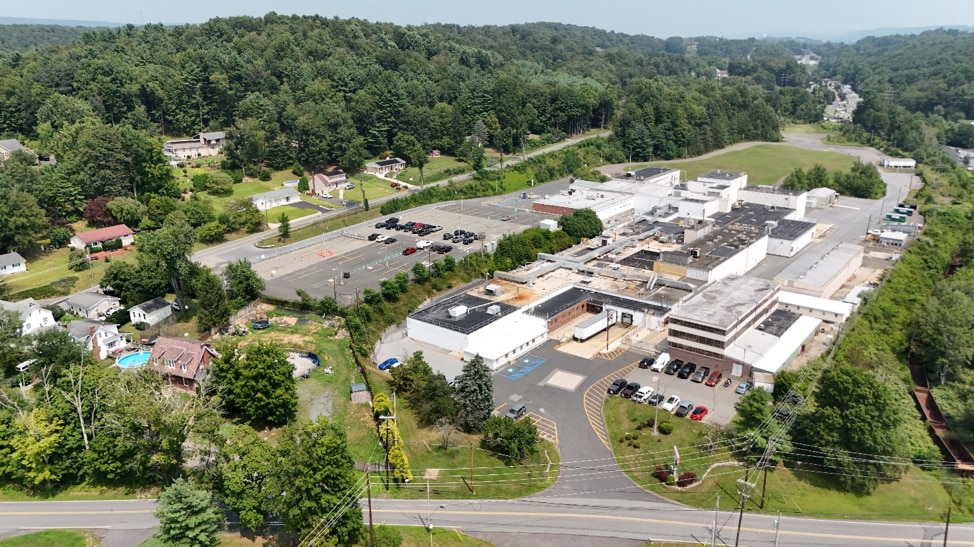
An aerial view of our Pottsville, Pennsylvania, plant
- Solstice Advanced Materials’ Pottsville, Pennsylvania, facility is advancing toward zero waste to landfill by improving waste segregation, handling, recycling, and energy recovery.
- Up to approximately 1,000 tons of waste per year can be diverted from landfill, turning waste management into a measurable operational win1.
- The initiative could avoid up to 1,500 tons of carbon dioxide-equivalent (CO₂e) annually, helping reduce the site’s environmental impact1.
- Residual waste is being turned into value through energy recovery, generating up to approximately 46,000 kWh per month, enough to power about 50 Pennsylvania homes1.
Why waste to value is becoming a manufacturing advantage
Why Zero Waste to Landfill is Important
For manufacturers, waste is not just a disposal challenge. By reducing waste, we can improve efficiency, strengthen operational discipline, and reduce environmental impact. Landfilling does not make waste “disappear.” It can lock valuable resources out of use and, depending on the waste type and disposal route, contribute to emissions and other environmental impacts. By contrast, a zero waste to landfill approach pushes organizations to ask practical questions: What can be prevented? What can be reused or recycled? What can be recovered safely and responsibly?
A practical zero waste to landfill definition is simple: no waste from a site is sent to landfill. It is also worth being clear on what it does not mean. It does not mean a site generates zero waste, and it does not mean every stream is recycled. Some residual streams that cannot be recycled may be incinerated under controlled conditions to generate energy instead of being landfilled. From a manufacturing waste management perspective, “waste diversion” describes how much material is kept out of landfill through prevention, reuse, recycling, and other recovery routes. In practice, manufacturers typically track progress using metrics such as tons diverted, diversion rate, CO₂e avoided, and energy recovered. These metrics help translate sustainability in manufacturing into operational performance that can be managed and improved.
At Pottsville, the site is transitioning to 100% landfill elimination by improving how waste is handled, segregated, and routed through appropriate partners. Key actions include:
- Better waste stream segregation and handling to maximize recovery and reduce contamination.
- Material recycling where feasible, to keep resources in circulation.
- Energy recovery for waste that cannot be practically recycled, converting residual waste into usable energy value rather than sending it to landfill.
Outcomes:
The results are clear and measurable:
- Up to approximately 1,000 tons per year of landfill diversion (waste diverted from landfill)1.
- Up to 1,500 tons CO₂e avoided annually, largely by avoiding landfill-related emissions1.
- Up to about 46,000 kWh of energy generated per month through energy recovery1.
- Approximately 550,000 kWh/year expected energy generation through recovery routes when diverting about 1,000 tons per year1.
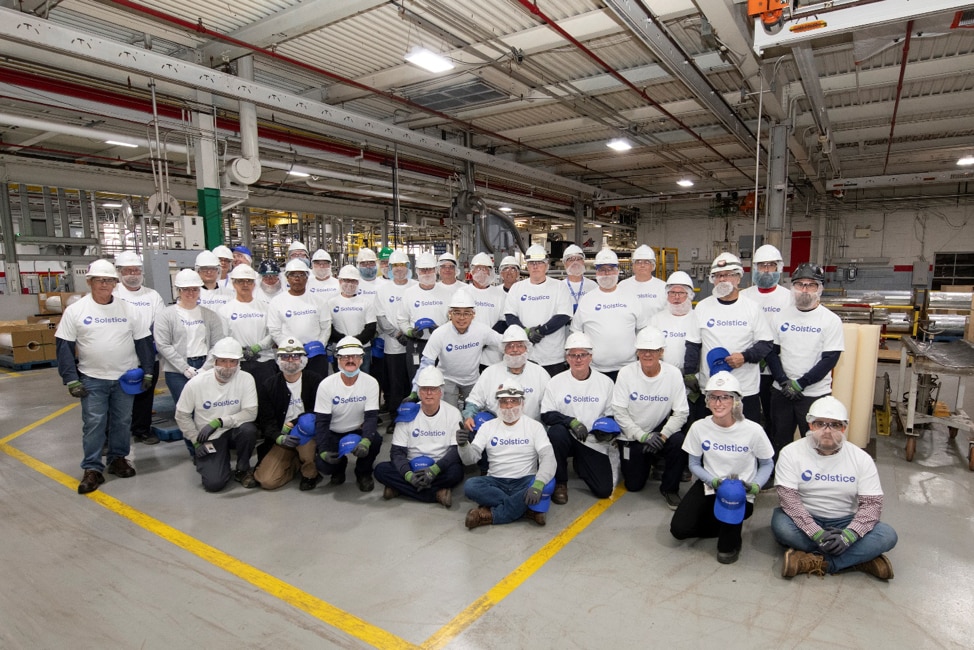
Benefits beyond the fence line: manufacturing waste management and local value
Zero waste to landfill also means fewer materials are sent for disposal, reducing reliance on landfill capacity and supporting better local environmental outcomes. It is a practical step that helps limit the long-term burden that landfill waste can place on communities and infrastructure.
Where non-recyclable waste is routed to energy recovery, the project is also generating electricity. The energy generated from this diverted waste could produce up to approximately 46,000 kWh per month1, which is enough to meet the monthly electricity needs of about 50 Pennsylvania homes1. Over a year, this could generate up to approximately 550,000 kWh of energy1.
Frequently Asked Questions
What does zero waste to landfill mean?
It means no waste from a site is sent to landfill. Waste is prevented where possible, then routed to recovery options such as recycling, and for residual streams, energy recovery where appropriate.
What is waste diversion?
Waste diversion is the portion of waste kept out of landfill through prevention, reuse, recycling, and other recovery pathways. It is commonly measured in tons diverted and as a diversion rate.
How do manufacturers measure progress?
Common measures include tons diverted, diversion rate, CO₂e avoided, and energy recovered. These help teams manage performance over time and identify where improvements will have the biggest impact.
What changed at Pottsville to achieve landfill diversion?
Pottsville improved segregation and handling and routed residual waste streams to energy recovery rather than the landfill, supported by partner infrastructure.
Pottsville shows how a waste diversion and zero waste to landfill strategy and disciplined manufacturing waste management can deliver measurable waste diversion and zero waste to landfill outcomes.
Want to learn more? Get in touch to explore how Solstice Advanced Materials is reducing the impact of its products and manufacturing processes.
References:
1. www.reworldwaste.com/news-resources/resource-library/waste-impact-calculator. Calculations are based on national averages and waste composition similar to municipal solid waste (MSW). GHG avoidance is calculated on a lifecycle basis, using the 20-year global warming potential (GWP) of methane.




CONTACT US
We’re here if you need us. Complete the form to connect with our team on any inquiry, including outreach to our sales or customer experience teams, tips on and troubleshooting with your portal or ecommerce profile, and to sign up for marketing communications.
Solstice Advanced Materials Inc.
115 Tabor Rd.
Morris Plains, NJ 07950