
How Solstice Keeps Things Cool
Consider this: What would happen if our ability to refrigerate disappeared?
Take your local supermarket. It likely has fruit from California, corn from Iowa and beef from Texas, or strawberries from Spain, dairy from France and seafood from Norway, transported and preserved across Europe’s market. You can enjoy this fresh food from thousands of miles away because it’s been delivered in refrigerated trucks, kept cool in the refrigerators at your grocery store and kept fresh in your refrigerator at home. Without refrigeration across the cold chain, local grocery stores would only be able to sell dry goods or locally farmed foods, and you would struggle at home to keep poultry and other perishable foods fresh.
Today, the world celebrates World Refrigeration Day, often coined the “coolest day of the year,” to recognize the vital role of refrigeration, but also air-conditioning, heating and heat-pumps, in our everyday lives. World Refrigeration Day allows us to stop and think about the technologies that are keeping the food in our home refrigerator fresh or the commutes to work on hot days comfortable —whether in North America, Europe or rapidly growing urban centers in Asia. It also reminds us how critical refrigeration is to keep digital infrastructures such as data centers cool as artificial intelligence (AI) continues to ramp up. Refrigeration also plays a crucial role in life-saving situations such as organ transport.
This year’s World Refrigeration Day theme, “cool intelligence,” shines a light on how these technologies work – how they are designed, installed, operated, maintained and delivered. As global demand for cooling and sustainable heating continues to grow, “cool intelligence” reinforces why technologies, and the ingredients used to keep them functioning, need to be built for long-term success. According to World Refrigeration Day’s website, this year’s theme encourages a focus on delivering systems that are efficient, improve resilience and reliability, help address environmental impact and help expand access.
And that’s where we come in at Solstice Advanced Materials.
As proud sponsors of World Refrigeration Day, we explore how Solstice low global warming potential (GWP) refrigerants and low global warming potential foam blowing agents are applying “cool intelligence” to applications we all touch each and every day. Let’s explore some cool examples of how we are advancing science for smarter outcomes.
1. Low-GWP Refrigerants Keep Food Cold in Supermarkets
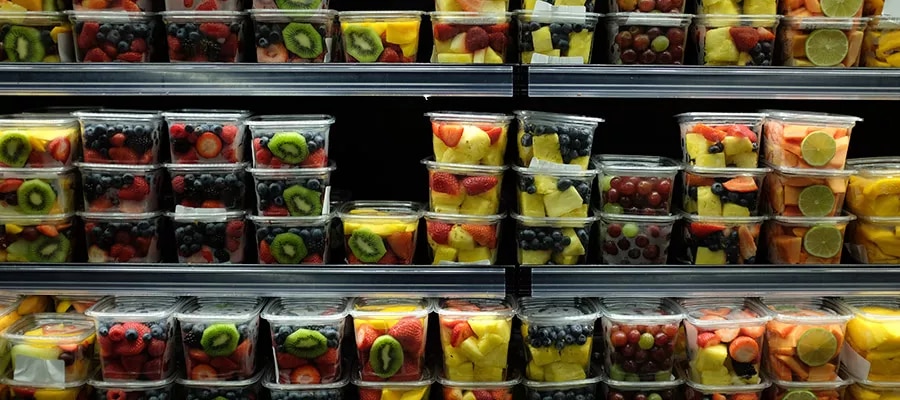
More than 60,000 supermarkets globally use Solstice® refrigerants to help comply with current and proposed regulations. Supermarket chains worldwide have opted to use key low-global warming potential (GWP) refrigerant ingredients such as Solstice® N40 (R-448A), Solstice® L40X (R-455A) and Solstice® 454C (R-454C) to help keep food fresh and items in the freezer aisle frozen.
2. Foam Insulation Keeps Food in Your Home Fresh

Solstice® Foam Blowing Agents such as Solstice® Liquid Blowing Agent or Solstice® Gas Blowing Agent are an ingredient used in the foam insulation that helps to keep food in your refrigerator cold. Solstice® LBA is a low-GWP alternative to hydrochlorofluorocarbons (HCFCs), hydrofluorocarbons (HFCs), and hydrocarbons (cyclopentane) used in foam insulation.[1] When used alone or as a blend with cyclopentane, Solstice® LBA can provide better insulation performance than using cyclopentane and vacuum insulated panels.
3. Low-GWP Foam Blowing Agents and Refrigerants Help Keep Refrigerated Transport Cold

Transport refrigeration requires efficient, reliable refrigerants to keep in-transit supplies fresh and preserved. OEMs use key ingredients such as Solstice® 452A (R-452A), Solstice® L40X (R-455A) and Solstice® 454C (R-454C) to help meet environmental regulatory requirements. In addition, our low-GWP Solstice® blowing agents are used in foam insulation to keep refrigerated trailers insulated properly.
4. Low-GWP Foam Blowing Agents Used in Home Insulation Keep Homes Comfortable

From households in Brussels and Berlin to homes in Chicago and Tokyo, improved insulation performance helps reduce energy consumption. Solstice® LBA and GBA can be used as an ingredient in closed-cell spray foam to insulate homes and buildings, saving homeowners energy costs. Solstice LBA and GBA keep conditioned air inside, making homes and buildings more energy efficient.
5. Low-GWP Refrigerants Help Keep Cars Comfortable
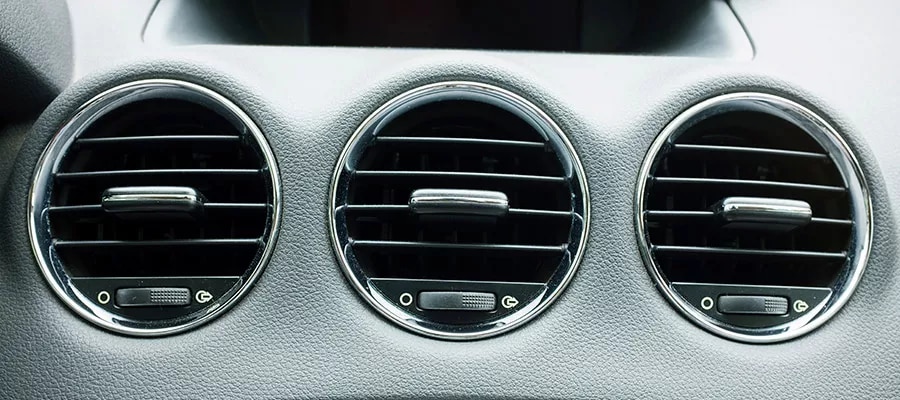
Many automobile manufacturers use Solstice® yf in vehicle air conditioners. Solstice yf (R-1234yf) refrigerant is a near drop-in replacement for R-134a in automobile A/C applications, helping automakers around the world comply with low-GWP requirements. Air conditioning systems using Solstice yf refrigerant are generally more energy efficient than competing technologies.
6. Sustainable Heating through Heat Pumps

Heat-pump systems are used to heat residential and commercial spaces. Refrigerants play a crucial role in the heating and cooling process, facilitating efficient heat transfer and ensuring reliable performance across various applications. Low-GWP refrigerants and HFO refrigerants are vital for the future of sustainable heating and cooling solutions. They can help reduce the climate impact of heating and cooling systems while supporting the efficiency and practicality needed for deployment at scale.
7. Helping to Keep Critical Digital Infrastructures Cool

Data centers are the backbone of artificial intelligence and are designed to handle complex workloads with efficiency and speed. Refrigerants are critical to data center operations because they enable the cooling systems that keep servers and IT equipment running safely, eliminating downtime. From large data hubs in the United States to rapidly expanding infrastructure in Europe and Asia, efficient cooling is essential to supporting the growth of digital economies worldwide.
Solstice Advanced Materials is committed to applying “cool intelligence” to the refrigerant, air-conditioning, heating and cold storage industries for long-term success. Explore our full solutions.
References