false

/content/advancedmaterials/us/en/search-results.html
 
 
PVC Processing · Performance Additives

Improving process efficiency and reducing downtime in PVC manufacturing

Solstice performance additives are engineered to solve the most common PVC processing challenges: fusion control, high torque, surface defects, plate-out, and costly downtime.

Processing Challenges

What processing challenges do PVC manufacturers face?

PVC processors consistently encounter a set of interrelated challenges that affect output quality, throughput, and operational cost:

  • Higher filler loading and tighter product specifications
  • Narrow processing windows leading to more frequent downtime and higher scrap generation
  • Unstable fusion behavior leading to melt inconsistency
  • Surface defects and plate-out that cause scrap and rework
  • Higher energy and maintenance costs due to sub-optimum process conditions

These issues don't just affect product quality — they directly impact throughput, downtime, and profitability.

Solstice Performance Additives for PVC

Solstice Performance Additives for PVC processing

With an advanced materials heritage of more than 130 years, Solstice is one of the world's first commercial producers of low molecular weight (LMW) polyolefin-based additives and a leading innovator of formulated solutions for the PVC industry.

Solstice's performance additive portfolio includes widely recognized brands such as A-C™, Cohesa™, Rheochem™, and Aclyn™ — comprising homopolymers, copolymers (including oxidized versions), ionomers, and custom additive formulations.

A-C™ Cohesa™ Rheochem™ Aclyn™

Solstice performance additives for plastics are engineered to improve PVC processing efficiency by:

  • Accelerating fusion and stabilizing melt behavior
  • Reducing torque and internal friction
  • Improving filler and pigment dispersion
  • Minimizing plate-out and metal sticking
  • Enabling longer production runs with less downtime
Key Benefits

What are the key benefits of Solstice PVC processing additives?

01

Faster PVC fusion and improved melt control

Solstice additives improve heat transfer and particle interaction during processing, enabling better fusion control. This reduces variability in the melt, stabilizes processing conditions, and allows manufacturers to operate at higher speeds without compromising quality.

Result A wider processing window, better melt control, and more consistent output — even in demanding formulations.
02

Higher throughput with reduced energy consumption

By improving flow characteristics and lowering compound fusion torque, Solstice additives reduce process motor amperage. This enables faster extrusion speeds and shorter cycle times while reducing overall energy consumption.

Result Increased throughput, lower power consumption, and improved line efficiency — without major changes to existing equipment.
03

Improved melt strength and dimensional stability

Solstice additives enhance melt strength and elasticity, reducing melt fracture, die build-up, and dimensional instability. Material flows more smoothly through the die, and finished products retain their shape more reliably.

Result Fewer defects, lower scrap rates, and higher output rates — especially in high-speed PVC pipe and profile extrusion.
04

Superior dispersion and surface quality

Uniform dispersion is critical to both processing performance and final product aesthetics. Solstice additives promote better wetting and distribution of fillers, pigments, and impact modifiers within the polymer matrix.

Result Smoother surface finishes, improved gloss control, and consistent aesthetics across production runs.
05

Superior metal release and reduced downtime

Unplanned downtime is one of the largest hidden costs in PVC processing. Solstice additives' optimized external lubrication and metal release properties reduce sticking, plate-out, and material build-up on processing equipment.

Result Longer production runs with fewer interruptions, improved operational reliability, and higher overall equipment efficiency.
06

Enabling the transition from Lead (Pb) to Calcium/Zinc (Ca/Zn) stabilizers

The intrinsic properties of Ca/Zn stabilizers provide substantial internal lubrication, yet they often fall short in providing the external lubrication required for optimal melt processing and overall efficiency. By introducing specialized lubricant additives for PVC and CPVC, Solstice performance additives empower manufacturers to widen their processing windows, thereby reducing scrap rates and enhancing productivity.

Result PVC manufacturers can meet the changing demands of the market while adhering to sustainability initiatives and enhancing performance.
07

Enhanced recyclability of PVC compounds

Traditional plastics often contain contaminants that complicate recycling. Solstice functional additives help couple these contaminants into the polymer matrix, maintaining mechanical properties and supporting end-of-life recyclability.

Result Reduced waste, enhanced recyclability, and production of durable, high-quality products that align with the principles of a circular economy.
Application Portfolio

Solstice Additives: Products by Application

Rainbow colored plastic pipes as background

Key Features & Benefits

  • Excellent external lubrication with enhanced gloss and surface quality
  • Fusion delay
  • Superior metal release
  • Highly efficient fusion promotion enabling controlled pressure build-up
  • Excellent filler distribution and melt homogeneity
  • Reduced chattering in calibration unit
  • Reduced melt pressure
A-C 6A A-C 307A A-C 316A A-C 617A A-C 629A A-C 680A

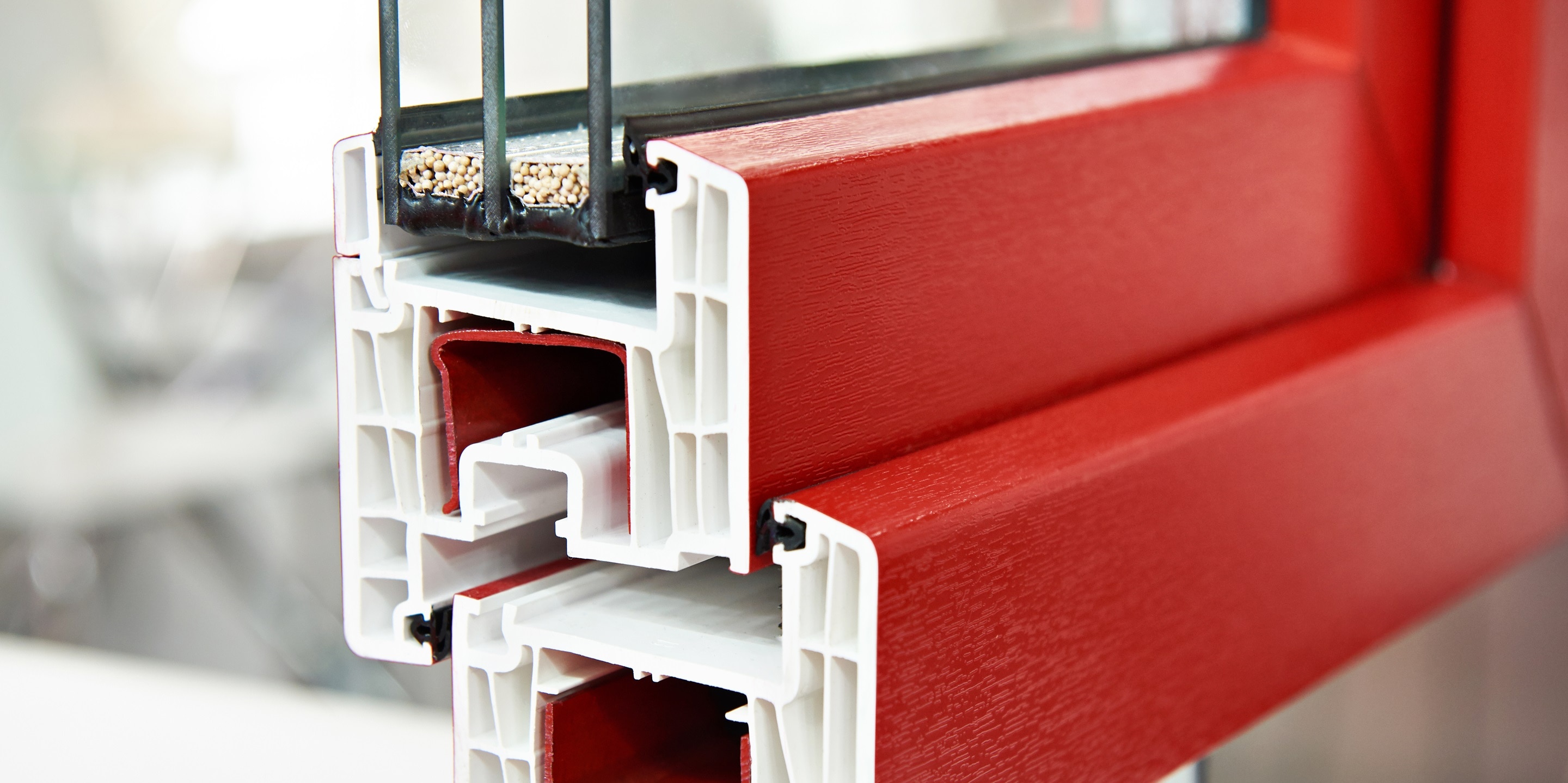
Insulated triple glazing at cross section

Key Features & Benefits

  • High output rates with enhanced gloss and surface quality
  • Optimal combination of external lubrication, metal release, and gloss
  • Effective fusion acceleration with controlled pressure build-up
  • Excellent filler distribution and melt homogeneity
  • Reduced melt pressure
A-C 6A A-C 307A A-C 680A A-C 316A A-C 629A A-C 617A RL-185 RL-250 RL-410

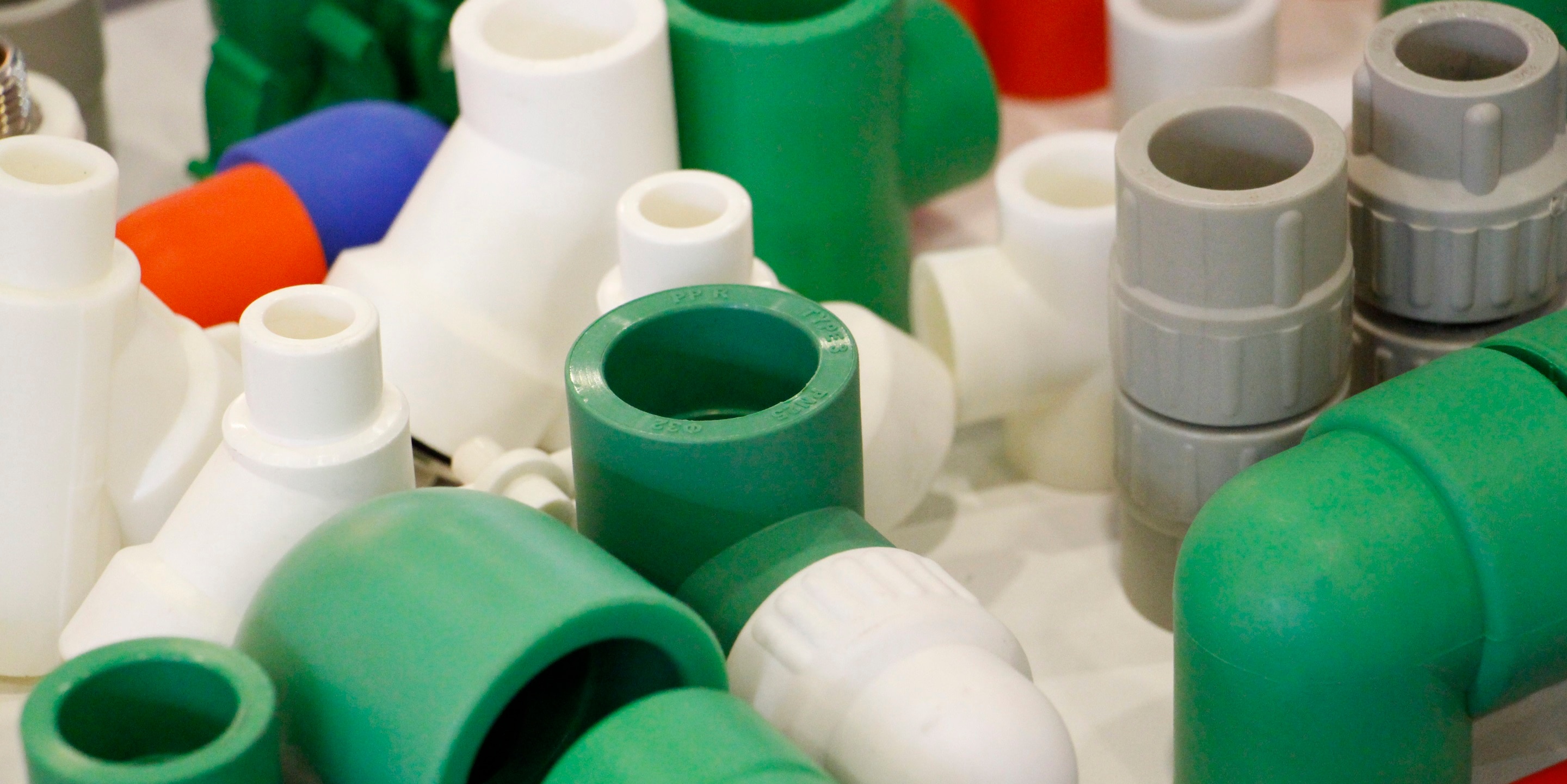
Plastic products used for industry. Many colored plugs, screws, valves, fittings, pipes, plastic adapters. Manufacture of plastic products. The concept of plastic products.

Key Features & Benefits

  • Controlled plasticizing time
  • Reduced torque
  • Enhanced physical and aesthetic properties
  • Good mold filling with excellent surface properties
  • Accelerated PVC fusion
A-C 6A A-C 307A A-C 316A A-C 680A A-C 617A A-C 629A RL-165

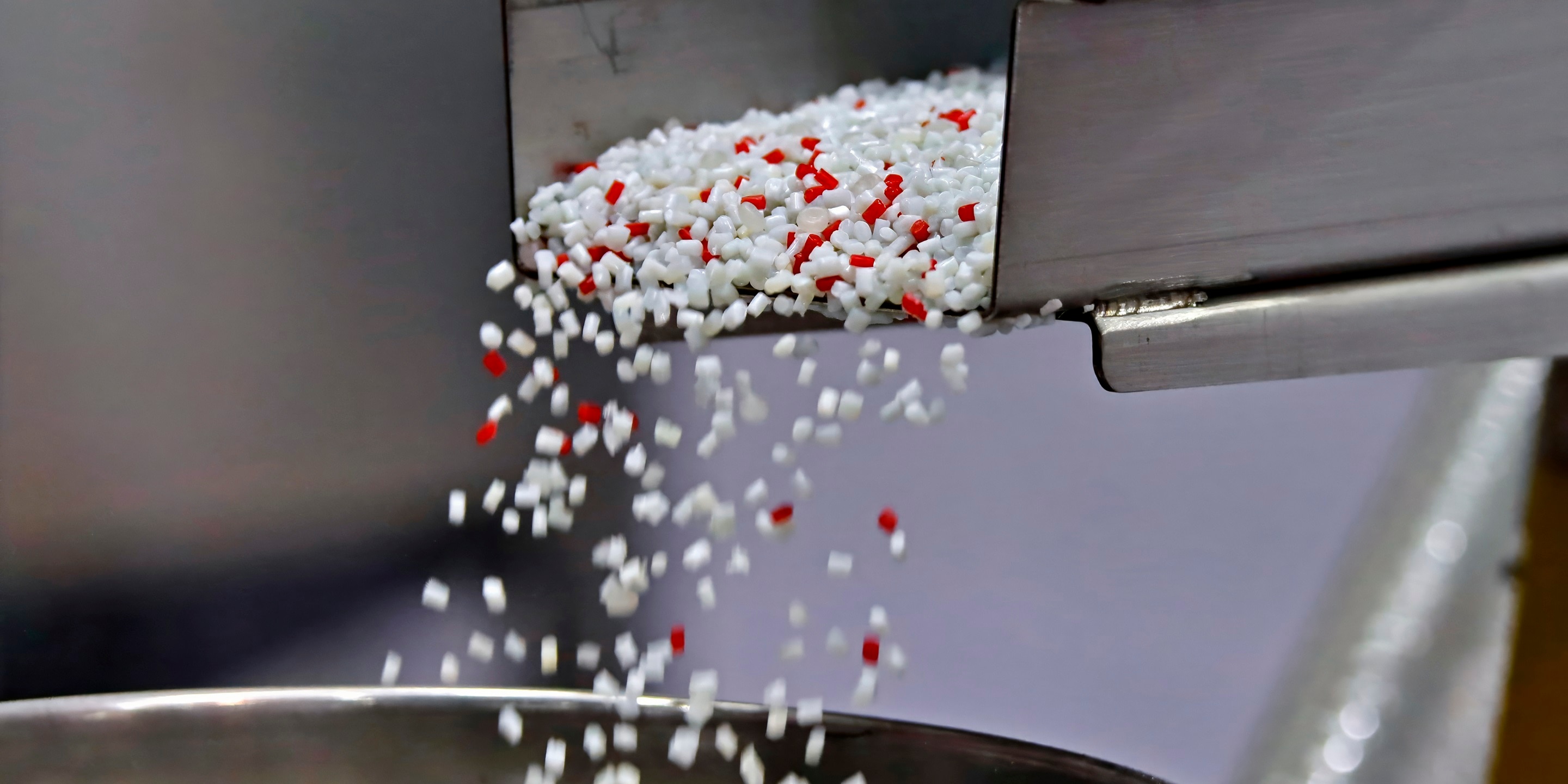
Recycled plastic resin granules being processed through an industrial hopper for injection molding production

Key Features & Benefits

  • Enhanced wetting and dispersibility of pigments and fillers
  • Gloss, fusion, and mold release control
  • Anti-sticking and reduced plate-out
  • Improved appearance and physical properties of injection-molded parts
  • Efficient nucleating and improved flow
  • Compatibilization of glass and cellulosic fibers
A-C 3A A-C 6A A-C 8A A-C 16A A-C 316A A-C 400A A-C 540A A-C 617A A-C 629A A-C 680A A-C 950P A-C 573P AClyn 295A AClyn 285A ACumist B6

Blue plastic polypropylene granules pouring from the glass on a blue backdrop, masterbatch polymer grain pile. HDPE or PVC resin pellets. Place for text. 3d render illustration.

Key Features & Benefits

  • Excellent dispersion & wetting of polar pigments
  • Better pigment dispersion and wider compatibility
  • Superior compatibilization, affinity to rutile TiO2
A-C 617A A-C 6A A-C 16A A-C 629A A-C 316A A-C 400A A-C 540A A-C 573A AClyn 295A AClyn 201A

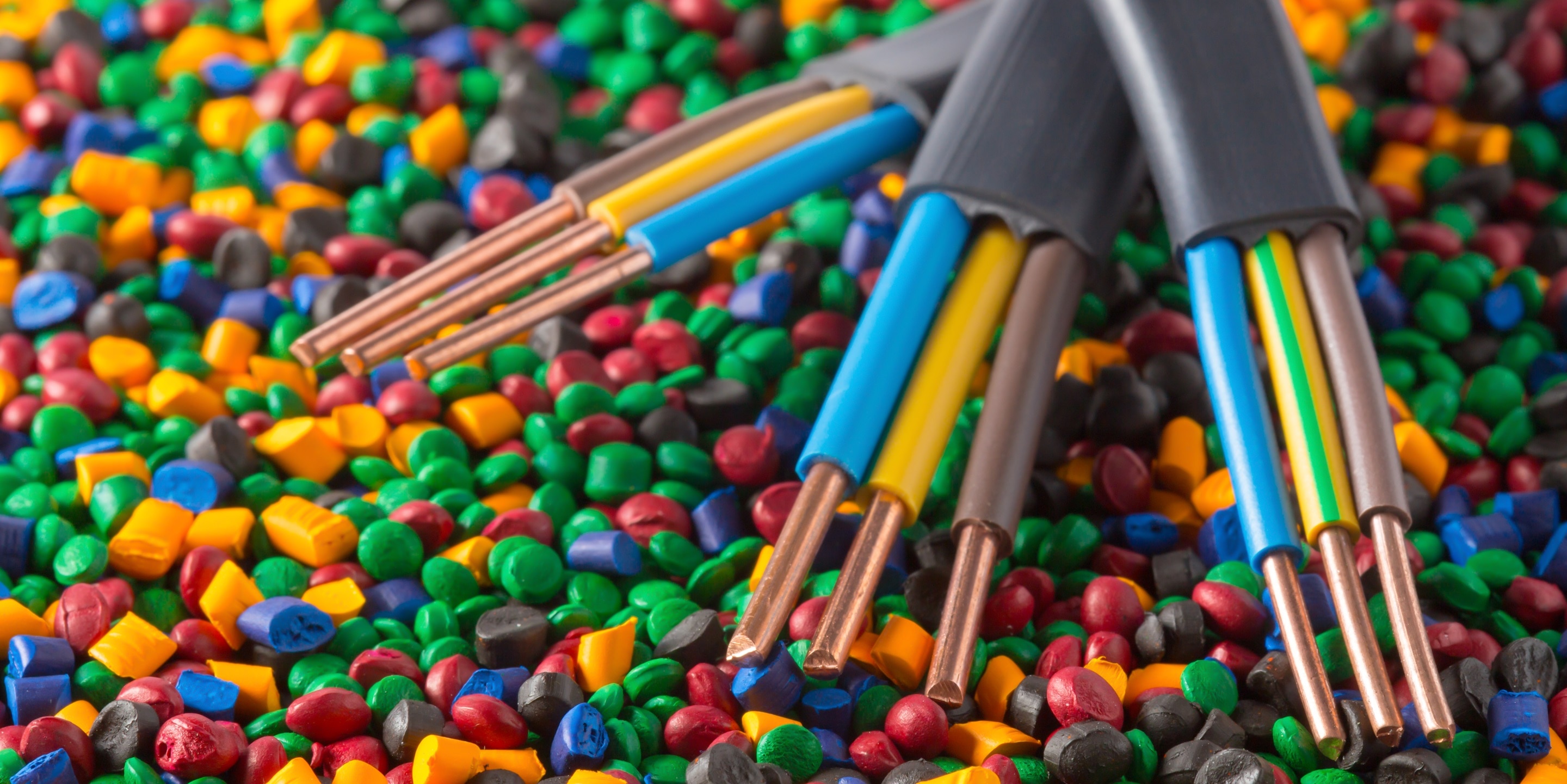
Colorful Plastic Polymer Granules for cable

Key Features & Benefits

  • Better and more regular dispersion of flame retardants
  • Reduced melt sticking for increased output rates
  • Improved gloss
  • Reduced die-drool
  • Lower viscosity
  • Improved smoothness of the interface between conductor and dielectric
A-C 6A A-C 400A

Featured Products

Featured products

A-C 6A
Mid-to-low crystallinity, low molecular weight polyethylene providing moderate external lubrication and improved gloss.
A-C 307A
High viscosity, low acid number Oxidized High-Density Polyethylene (OxHDPE); very efficient at promoting fusion and providing reduced gloss in extruded articles.
A-C 316A
High viscosity, high acid number oxidized polyethylene combining fusion promotion with metal release and dispersion.
A-C 617A
Lower crystallinity, lower molecular weight polyethylene providing superior external lubrication and fusion delay.
A-C 629A
Oxidized Low Density polyethylene (OxLDPE) with excellent external lubrication and improved gloss.
A-C 680A
Oxidized Low Density polyethylene (OxLDPE) with excellent external lubrication for lower-gloss applications.
RL-165
Hydrocarbon wax formulated for the PVC pipe industry.
RL-185
Higher melting point paraffin lubricant for rigid PVC requiring improved metal release at high melt temperatures.
RL-250
High-performance synthetic hydrocarbon wax with consistent molecular structure for high-shear conditions.
RL-410
Combination of hydrocarbon wax and low molecular weight Oxidized Low Density Polyethylene (OxLDPE) wax.
TLP-2030
Paraffin wax, calcium stearate, and oxidized polyethylene system for twin-screw PVC pipe, vinyl siding, and window profile extrusion.
FLP-3540
Special lubricant system for highly filled PVC pipe, cellular PVC extrusion, and filled vinyl siding substrate.

FAQ

PVC Processing Additives

What is the role of external lubricants in PVC extrusion?

External lubricants in PVC extrusion reduce friction between the polymer melt and metal processing surfaces such as the barrel, screw, and die. This prevents plate-out, reduces sticking, and improves surface quality of the final product. Solstice A-C additives such as A-C 6A and A-C 629A are widely used external lubricants for PVC pipe and profile extrusion.

How do PVC processing additives reduce energy consumption?

By lowering melt viscosity and processing torque, performance additives allow extruders to operate at lower energy loads while maintaining or increasing throughput. Solstice additives reduce internal friction within the polymer matrix, which directly translates to lower kWh per kg of material processed.

What additives help with the Ca/Zn transition in PVC?

Ca/Zn stabilizer systems require more efficient external lubrication than traditional lead-based systems. Solstice A-C additives — particularly those with oxidized polyethylene chemistry — are specifically formulated to provide the external lubrication balance needed for Ca/Zn PVC compounds, enabling effective processing without compromising fusion or surface quality.

Which Solstice additives are most recommended for PVC pipe extrusion?

For PVC pipe extrusion, Solstice recommends A-C 6A, A-C 307A, A-C 316A, A-C 617A, A-C 629A, A-C 680A, RL-410, RL-165, RL-250, TLP-2030, and FLP-3540. Each product addresses specific processing needs, from metal release and fusion control to surface gloss and filler dispersion.

How do Solstice additives improve PVC surface finish?

Solstice additives improve surface quality, increase filler and pigment dispersion by promoting fusion i.e. regrind incorporation

Products like A-C 629A and A-C 6A are specifically formulated to control gloss and surface smoothness in extruded and molded PVC articles.


Get Started Today

Ready to improve your PVC processing efficiency?

Connect with Solstice experts to discover how our performance additives can help you increase throughput, reduce downtime, lower energy costs, and support your transition to more sustainable stabilizer systems.

No obligation
Response within 72hrs
Global technical team